
“Be authentic.”
The phrase appears everywhere: on panels, in interviews, across social media. It has become one of the most common pieces of advice in the music industry. Yet despite how often the word gets used, few people actually define what it truly means.
Authenticity is the alignment between an artist’s music, visuals, and personality. It’s the consistency that allows people to believe them. Today, audiences are listening to songs and watching how artists present themselves, what they stand for, and whether it all connects to the work.
The Word Everyone Uses but Few Understand
Authenticity used to mean being real. Over time, the term got stretched so thin it started to lose meaning. Many artists claim it, but not many actually demonstrate it in a way that lasts.
Listeners can tell when something feels genuine and when it feels calculated. They scroll through countless artists every week. What makes them stop is honesty.
That being said, honesty doesn’t mean you need to divulge your entire life story. Authenticity is really about cohesion. When sound, imagery, and message all reflect the same vision, it builds trust. People might not be able to explain why they’re drawn to it, but they feel it.
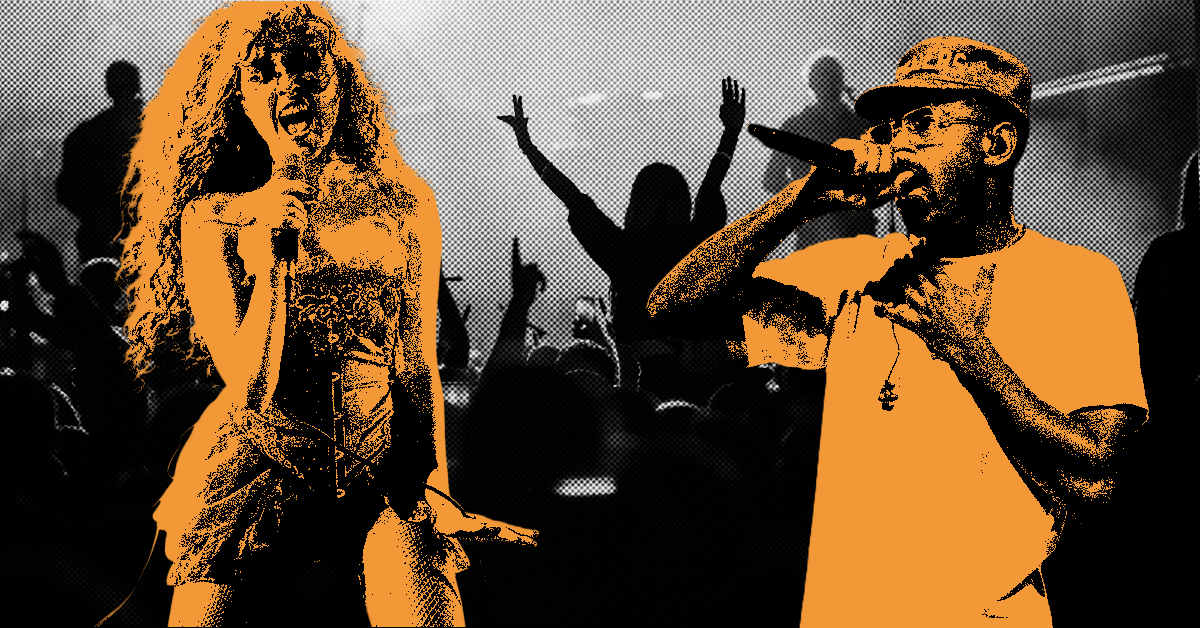
Chappell Roan is an excellent example of an artist who has maintained authenticity both before and after her rise in fame. Every element of her artistry feels connected, from her larger-than-life visuals to her deeply personal songwriting. “The Rise and Fall of a Midwest Princess” blends theatrical pop with emotional storytelling, creating a persona that amplifies her truth rather than concealing it. Beyond the music, she is fearless in standing by her beliefs and values while also protecting her privacy when needed. That balance between self-expression and boundary makes her authenticity unmistakable. Even at her most exaggerated, her work reflects something real. Fans believe in her world because it reflects exactly who she is.
Why Authenticity Matters More Than Ever
The internet has given artists more access to listeners than ever before. Unfortunately, this access has also created a crowded landscape where algorithms often reward quantity over meaning. In that environment, authenticity can help to filter the right listeners to the right artists.
When someone connects with your story, they stick around. They save songs because they capture something real.
Authenticity builds trust, and trust creates longevity. Artists who maintain a consistent voice and vision tend to grow in a steadier, more sustainable way. They build identities that stay recognizable even as trends and platforms shift. It also influences opportunities like press, playlists, and partnerships. All of these become easier to secure when others understand who an artist is and what they represent. A clear artistic identity makes collaboration feel more natural and lasting.
What Authenticity Looks Like in Practice
Authenticity is a thread that runs through everything an artist creates.
Share the parts of the journey that feel meaningful, like a glimpse into the writing process or a reflection on how a song came together. Audiences respond to creative honesty.
Be consistent across platforms in your tone, visuals, and captions. They should align with the energy of your music. If the sound feels raw and emotional, the content should naturally convey that same sense of intimacy.
Artists don’t have to share every detail of their lives to build a connection. You can still set boundaries with intention while still being authentic to your audience. Authenticity means choosing what feels genuine to reveal.
Be selective with collaborations, and work with people and brands that reflect your message and values. Your fans will notice when something feels off. They also recognize when a partnership makes sense.
Building Connection Over Perfection
Authenticity and vulnerability often overlap. Vulnerability is one way to express authenticity. Authenticity is the larger structure that keeps an artistic identity consistent.
Tyler, the Creator truly embodies this idea. Each album he releases arrives with its own color palette, world, and point of view, yet everything still feels unmistakably his. Every detail supports the larger story he is telling, from the music to the visuals to the fashion. That level of creative intention allows him to evolve into a completely different creative project without losing credibility. For example, his ability to shift from the reflective album “Chromakopia” to the energetic project “Don’t Tap the Glass” shows that authenticity can take various forms. Fans grow with him because they trust that each project reflects who he is at that moment.
Connection comes from moments that feel human. A caption written in an artist’s own voice. A story showing the creative process. A thoughtful response to a fan. These can be more powerful than any perfectly produced campaign. What matters most is presence and sincerity.
The Long Game
Authenticity builds a foundation. Over time, that foundation becomes the reason fans stay, even as trends come and go.
When people trust an artist, they’ll follow them through new sounds, visual changes, and creative breaks. That trust is what turns casual listeners into a community.
Artists don’t need to reinvent themselves to stay relevant. They need to keep showing up in a way that feels honest to who they are and what they create. Those who lead with authenticity do more than grow a following. They build a lasting identity.
As you plan your next release, focus on what reflects your truth. The most powerful thing you can be as an artist in today’s music industry is consistent, intentional, and real.